Small Breaks, Big Impact: Microbreaks and Employee Well-Being

Mental Health Awareness Month, observed each May, highlights the growing need for evidence-based strategies that support mental health at work. For organizations focused on employee well-being and sustained performance, one simple yet highly effective approach is gaining traction: microbreaks at work.

Microbreaks are short, intentional pauses ranging from a few seconds to several minutes taken throughout the workday. While brief, these moments of recovery play a meaningful role in reducing workplace stress, preventing burnout, and maintaining performance in high-demand environments.

Why Microbreaks Matter for Mental Health

Extended periods of uninterrupted work accelerate cognitive fatigue and emotional exhaustion, two key drivers of burnout. Microbreaks interrupt this cycle before it compounds.

A 2025 daily diary study tracking employees across a full workweek found that individuals who took microbreaks reported lower fatigue and higher levels of vigor by the end of the day, regardless of workload.

Read the full study on microbreaks, fatigue, and vigor
.
These findings reinforce a critical point: sustained performance is not about constant output, but about strategic recovery.

Rather than detracting from productivity, microbreaks help employees maintain energy, focus, and psychological resilience throughout the day.

What the Current Science Shows

Recent research offers more precise insight into how microbreaks work:

The takeaway is clear. Not all breaks are equal. Intentional, restorative activities produce the greatest mental health benefits.

Benefits Beyond Mental Health

Microbreaks do not only support psychological well-being. They also reduce physical strain.

Ergonomic research published in 2024 demonstrated that one-minute microbreaks significantly reduced muscle fatigue and physical strain during repetitive work without reducing productivity.

Learn more about the University of Alberta research on microbreaks and workplace fatigue
.

Together, these findings position microbreaks as a practical, dual-impact intervention supporting both employee mental and physical health.

Putting Microbreaks into Practice in the Workplace

For microbreaks to be effective, they must be easy to adopt, culturally supported, and embedded into daily workflow rather than treated as an extra task.

Organizations can normalize microbreaks by integrating them into how work is structured and led:

  • Build brief pause points into the day: Encourage 2 to 5-minute buffers between meetings and focused work blocks, especially during cognitively demanding periods.
  • Reinforce manager modeling and permission: Encourage leaders to take visible microbreaks, suggest pauses during long meetings, and reinforce outcomes-based performance rather than constant availability.
  • Use technology intentionally: Optional reminders in calendars or collaboration tools can prompt employees to pause, stretch, hydrate, or reset every 45 to 60 minutes.
  • Encourage high-quality breaks: Support activities like short walks, posture changes, breathing resets, or brief exposure to natural light. These activities are shown to support stronger recovery than passive screen time alone.
  • Design environments that support pausing: Create inviting physical spaces such as quiet corners or stretch areas, or use simple visual cues in digital workspaces that reinforce breaks as part of healthy work norms.
  • Embed microbreaks into existing well-being efforts: Include microbreak strategies in onboarding, manager toolkits, ergonomics guidance, and burnout prevention strategies, positioning them as a core sustainability practice rather than a wellness add-on.

The Organizational Takeaway

Microbreaks are a low-cost, evidence-based strategy that supports employee well-being while preserving performance. When normalized across the workday, these small pauses help reduce fatigue, protect focus, and support sustainable productivity in an always-on work culture.

How Urban Balance Supports Microbreak-Friendly Workplaces

At Urban Balance, we help organizations turn evidence-based well-being strategies like microbreaks into practical, everyday workplace habits.

Our workplace wellness programs are designed to integrate into the flow of the workday, making it easier for employees to pause, reset, and recharge. From guided stretch and movement sessions to mindfulness breaks and ergonomics education, our offerings support high-quality microbreaks that improve employee well-being, reduce workplace stress, and support sustained performance.

We provide:

  • Live and on-demand microbreak sessions, including stretch, mobility, meditation, and breathwork
  • Workday-friendly wellness classes designed for short, effective breaks
  • Manager toolkits and education to support healthy workplace habits
  • On-site corporate wellness services and virtual wellness programs for distributed teams

Urban Balance delivers on-site workplace wellness services in the Portland, Oregon metro area and provides virtual wellness programs to organizations worldwide.

Whether employees are taking a two-minute reset or participating in a guided session, we help make microbreaks a consistent and effective part of the workday.

Explore Urban Balance workplace wellness programs and discover how microbreaks can support employee well-being, reduce burnout, and improve performance.

Ways to Boost Mental Fitness in the Workplace

Ways to Increase Mental Fitness in the Workplace

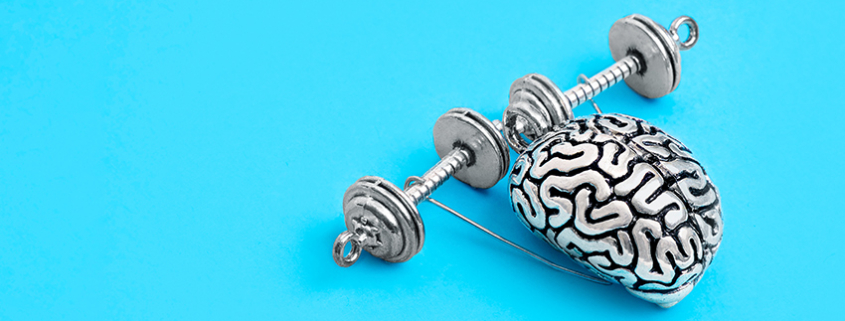
Have you heard the term “mental fitness” and wondered if it involved lifting tiny weights with your brain? Thankfully it doesn’t, but mental fitness training can enhance our ability to move through many of the challenges we encounter at work and at home – an area where many employees are needing support right now.


What is mental fitness?

Critical to our ability to thrive and reach our full potential, mental fitness can be defined as a state of emotional and psychological well-being in which we are in touch with how we think, feel and act. Just like physical fitness, mental fitness is something we can all strengthen and improve over the course of our lives. There is an array of skills, lifestyle habits, and practices that can help boost our mental fitness and increase resiliency so we can manage stress and cope with challenges.


What does being mentally fit look and feel like?

A few common indicators include:

  • A positive sense of how we think, feel, and behave
  • Living in the present moment more of the time
  • Resiliency in dealing with stressors as they arise
  • Experiencing flow states more of the time
  • Laser-focused attention and a clearer mind
  • Clarity about who you are and how you want to be
  • Eagerness to take on new challenges and show up in your life
  • Ability to creatively problem-solve

What are some ways to increase mental fitness?

Meditate or otherwise practice mindfulness
Meditation and mindfulness practices encourage relaxation as you engage in contemplation. Regular meditation may increase your ability to focus, decrease anxiety, and help you approach life with greater intention.

Look at your “information diet”
Pay attention to what types of media you’re consuming on a regular basis. What is the overall quality of your “diet”? Notice the quality of thoughts that are flowing through your consciousness each day. Kinder, more compassionate thoughts help to develop a more optimistic mindset which in turn supports positive action.

Focus on Nutrition
It’s hard to focus or feel mentally engaged when our bodies aren’t getting enough nutrients. While there is no one-size-fits-all diet to follow as each body has different needs, concentrate on eating a wide array of nutritious foods and eat for brain health whenever possible.

Maintain physical fitness
A healthy body supports a healthy mind. There have been many studies done that show the positive impact of exercise on mental health, including this one. If your mind is feeling dull or on the other side of the spectrum, chaotic, getting out and moving can work wonders, often in a short amount of time.

Improve Sleep Hygiene
Consider your sleep habits. What is your caffeine and water intake like throughout the day? Do you have a routine in place like reading or meditating to help you wind down before bed? These can all impact the quality of our sleep.

Mental Fitness Training Programs
Mental fitness programming is one of the many ways companies can demonstrate care for their employees’ mental well-being. In fact, formal brain training/mental fitness programs have become quite a trend in the last few years and with the widespread increase in demand for mental well-being programming in the corporate wellness landscape, these programs definitely have their place.

Urban Balance offers one such program called Positive Intelligence. In this 8-week course, employees learn to identify, recognize and intercept thoughts, habits, and patterns that no longer serve them. The practices offered within the program simultaneously activate and strengthen the region of the brain that supports highly effective stress-free performance and optimal response.

To enroll yourself or a group of employees in the next session of this widely-acclaimed professional development course starting in January, please contact us for full details.

——————————————

Urban Balance is the premier provider of comprehensive on-site and virtual corporate wellness services in Portland, Oregon. We deliver yoga, Pilates, meditation, massage, nutrition and learning opportunities to the office environment for happier employees and a healthier bottom line.

Check out our catalog of Virtual Wellness Services here.

Pandemic Reflections: Co-Creating The World We Want to Live In

Pandemic Reflections: Co-Creating The World We Want to Live In

The pandemic has revealed how deeply interconnected we are with everyone and everything on the planet. We have seen first-hand how a virus with a single point of origin could come to affect us collectively in one way or another.

Whether that impact has looked like losing your sense of day-to-day normalcy, or at worst, contracting the virus or losing loved ones, we have all felt the toll and witnessed the great suffering and iniquity it has revealed. But now that the regulations are starting to lift and our movements are becoming less restricted, where do we go from here? Read more

On Mental Wellbeing in the Workplace

On Mental Wellbeing in the Workplace: How Companies Can Demonstrate Care

It is no secret that the pandemic has taken a toll on people’s mental health to some degree throughout the past year.

According to a survey by the CDC, 40.9% of respondents reported at least one adverse mental or behavioral health condition, including symptoms of anxiety and depression, and a marked increase in substance abuse.

As a corporate wellness company focused on holistic programming, we recognize that mental health and wellbeing are inextricably linked from the overall picture of employee wellness. So, what is the relationship between the two, and what can support look like in the workplace? Read on. Read more

4 Ways to Promote Resilience Within Remote Teams

November 2020

There’s a lot of talk about “Covid fatigue” these days. Perhaps you’re seeing signs of it in your employees and colleagues, and maybe even yourself. Now several months into this global pandemic, most workplaces have moved beyond the adrenaline/shock of it all and further into the question of “when will we go back to normal?” Read more

Cultivating Spiritual Wellness In Challenging Times

Cultivating Spiritual Wellness In Challenging Times

Spiritual wellness, one of the 8 dimensions of wellness, asks us to consider how we make meaning of life’s events, including those that are difficult to process. Perhaps the most common association made with spirituality its link with religious practice, but this is certainly not the only path.

The word “spirit” is derived from Latin root word inspirare, meaning to breathe or blow into. The word “inspire”, meaning “to influence, move our guide” happens to share the same root. (Read more about the word origin here). And isn’t it so often the case that when we find what it is that “breathes life” into us – what inspires us — our spirit sings? What if we all followed that call in every aspect of our lives? What might the world look like?

Read more

4 Tips to For Simpler Living in the “New Normal”

4 Tips For Simpler Living in the “New Normal”

As we settle further into what has been dubbed “the new normal”, with finances tight or uncertain for many, the wisdom of simple living is once again rising to the top of our collective awareness.

Regardless of the state of the world, we already know that embracing a simpler life can contribute positively to one’s sense of well-being. In fact, a recent study found that living a simple, minimalist lifestyle is often correlates with a sense of autonomy, competence, mental space, awareness, and positive emotions. And the good news is, you can start right where you are. There are no prerequisites and the definition of success is relative.

If you find yourself seeking a greater sense of clarity and ease during this uncertain time, here are 4 areas where you might look to simplify:

Read more